Zambia Biodiversity Intelligence & Investment Platform
Africa’s green investment,
measured properly.
Submit your project once. Run it through the engines that actually apply to it. Walk away with an investor-ready scorecard, a complete pitch deck and a full business model — every number traceable to its source, and no consultant in the loop.
Part of the Zambia Biodiversity Investment Readiness Support Programme·UNDP BIOFIN Zambia & Bankers without Boundaries
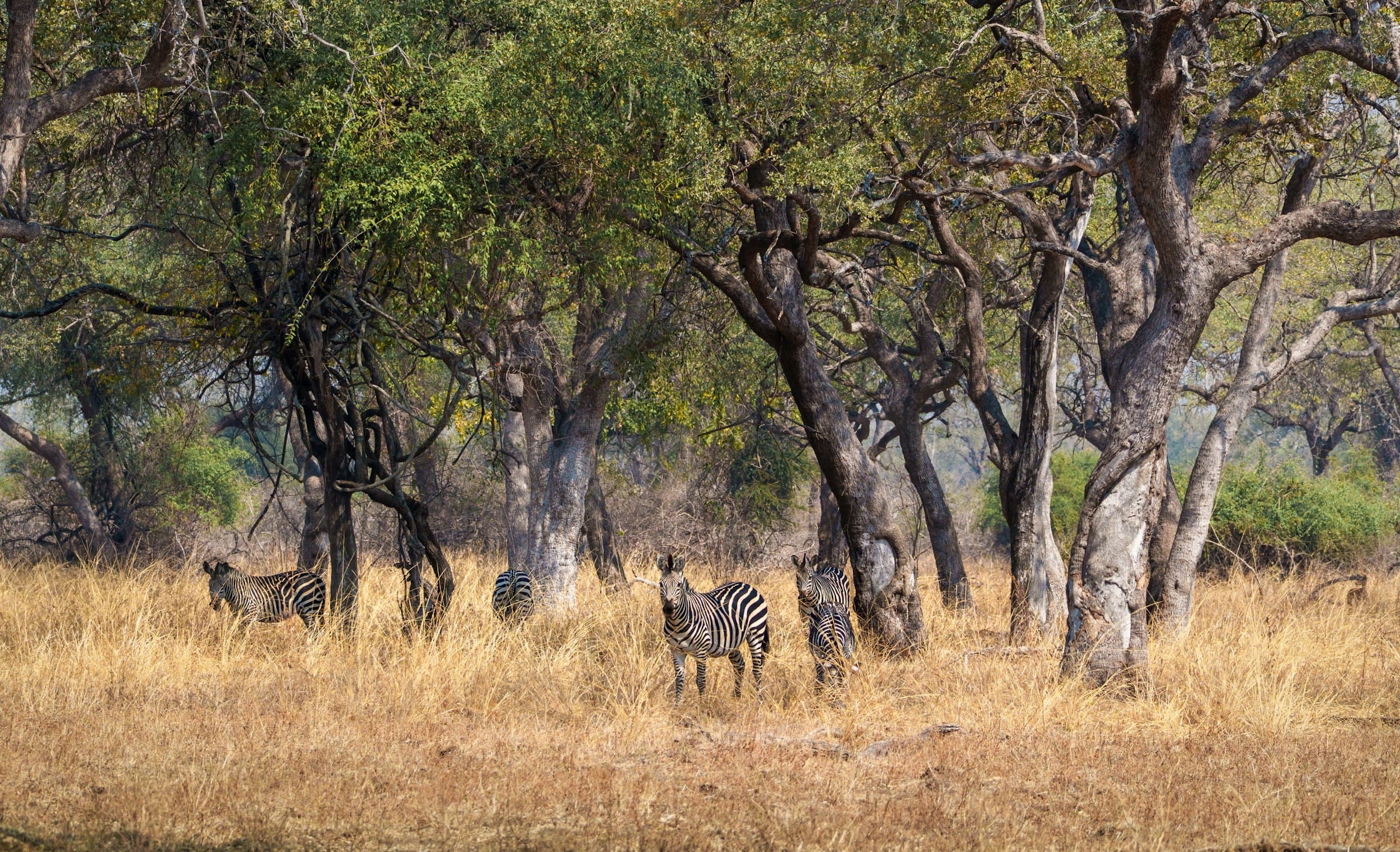
Photo: Ed Wingate / Unsplash
Developed within the Zambia Biodiversity Investment Readiness Support Programme
- UNDP BIOFIN Zambia
- Bankers without Boundaries
How it works
From project data to a funder-ready pack
Submit your project
Pick your archetype and fill in your firm and project detail once. Every number you enter carries a field for the source behind it — the same discipline a funder applies when they test your model.
Run the engines that apply
Your archetype decides which of the twelve engines are relevant. A honey producer is not scored on carbon credit issuance. Each engine returns the same scorecard object: a score, a grade, the evidence, and what to fix.
Export the pack
A readiness scorecard, a complete pitch deck, and a full business model — generated as PDF from what you entered, in the structure the programme asks for, with a methodology annex naming every source.
Archetypes
Not every engine applies to every project
A honey producer should not be scored on carbon credit issuance, and a software platform has no hectares to restore. Your archetype — defined by the unit a buyer actually pays you for — decides which engines run, what your revenue line looks like, and which sections your pitch deck needs.
Producers of physical goods
Your unit
A kilogram, a tonne, a stove, or a crate
You earn when a buyer pays for a unit of product.
- ✓Honey and avocados in Mwinilunga
Carbon and ecosystem service projects
Your unit
A verified tonne of CO₂e, or a hectare under a payment agreement
You earn when a verified environmental outcome is sold to a buyer.
- ✓Forest carbon at Lukangaba
Platforms and digital services
Your unit
A subscription or a licence
You earn when users or institutions pay for access to software, data, or a marketplace.
- ✓Symphony
- ✓BioVerse
Community and landscape programmes
Your unit
Several units at once — produce, service fees, and outcomes
You earn through several streams at once: produce sales, service fees, and outcome-based funding.
- ✓Women-led and youth-led enterprises at Kalichero
Platform
One reporting layer for an entire portfolio.
Every project — a forest carbon concession, a honey cooperative, a conservancy, a data platform — runs through the same modular engines and returns the same standard scorecard: a score, a grade, the evidence behind it, and specific recommendations. Portfolio holders see it all in one place; investors compare projects on equal footing.
- Explainable scoring — every number cites the standard it came from
- Where no standard publishes a number, we say so rather than implying authority
- Framework-driven — BRIP readiness, Zambia Green Taxonomy, IFRS S1/S2, ICVCM
- Built for low-connectivity institutions, not just head offices
- Readiness ScorecardGenerated
- Investment CaseGenerated
- Pitch DeckGenerated
- KPI TrackerGenerated
- MRV FrameworkGenerated
- Additionality ScreenGenerated
- Risk RegisterGenerated
The set each project is expected to complete this cycle. ZBIIP generates them from the data you enter once, rather than asking you to assemble each one separately.
Methodology
Twelve intelligence engines
Each engine is independently versioned, names the methodology it implements, and returns the same standard scorecard object — so the dashboard never needs engine-specific code, and a reviewer can always ask where a number came from.
BRIP Readiness
liveThe programme's own eight-dimension readiness scorecard, D1 Funding Readiness through D8 Partnerships.
UNDP BIOFIN / Bankers without Boundaries BRIP Readiness Scorecard
Financial Model
liveMarket sizing, unit economics, break-even, and a reconciling three-statement projection with NPV, IRR and DSCR.
BRIP Workshop 1 — Financial Literacy & Modelling
Investment Readiness
liveGovernance, business model and financials, combined with the pillar scores from every other engine that applies.
Composite — ZBIIP weighting
ESG
liveEnvironmental, social, governance and disclosure composite scoring.
Industry-standard E/S/G/Disclosure structure
Biodiversity
liveHabitat, species, restoration, connectivity and monitoring capacity.
Habitat/species composite — IUCN NbS alignment in progress
Carbon
liveAdditionality, permanence, leakage and MRV readiness, with buffer-adjusted credit quantification.
ICVCM Core Carbon Principles; Verra VCS / AFOLU risk tool
Biodiversity Credits
liveHabitat units, market eligibility, and uplift measured across a metric basket.
Wallacea Trust biodiversity credit methodology
Green Finance Taxonomy
liveSubstantial contribution, Do No Significant Harm, and minimum social safeguards.
Zambia Green Finance Taxonomy (MGEE)
Natural Capital
liveExtent, condition and ecosystem-service accounts for the natural assets a project depends on.
UN SEEA Ecosystem Accounting
Green Growth
liveResource use, natural capital protection, green economic opportunity and social inclusion.
Zambia Green Growth Index (GGGI / MoGEE)
IFRS S1
liveSustainability-related disclosure across governance, strategy, risk management and metrics.
IFRS S1 (TCFD-derived four pillars)
IFRS S2
liveClimate-related disclosure, scenario analysis and Scope 1/2/3 greenhouse gas metrics.
IFRS S2; GHG Protocol Corporate Standard
The programme
Built inside Zambia’s biodiversity investment readiness programme
BIOFIN is the Biodiversity Finance Initiative, a UNDP partnership active in 134 countries. In Zambia it works with government to implement the country's Biodiversity Finance Plan. This programme was commissioned to build a pipeline of bankable biodiversity projects, connecting to Zambia's commitments under the Kunming-Montreal Global Biodiversity Framework, Target 19 on resource mobilisation.
ZBIIP implements that programme’s own instruments — the eight-dimension readiness scorecard and the financial modelling methodology taught in its workshops — rather than inventing a parallel standard. That is what makes a ZBIIP score legible to the people already assessing these projects.
62
Expressions of interest
20
Projects advanced
7
In the cohort
8
Scored dimensions
Industries
Built across sectors, not just conservation
For organizations
Run the assessment, get the pack
Submit your project data, run the engines that apply to your archetype, and generate your scorecard, pitch deck and business model as PDF. Free while you build readiness. Listing to investors is opt-in and reviewed, so you decide when you are ready to be seen.
Create a project accountFor investors & financiers
Compare projects on equal footing
Browse investment-ready projects, filter by sector, province and archetype, and download standardised reports before you ever pick up the phone. Portal access is invitation-based while we build verified supply — join the waiting list and we will be in touch.
Join the investor waiting list